The Astrazoic Eon
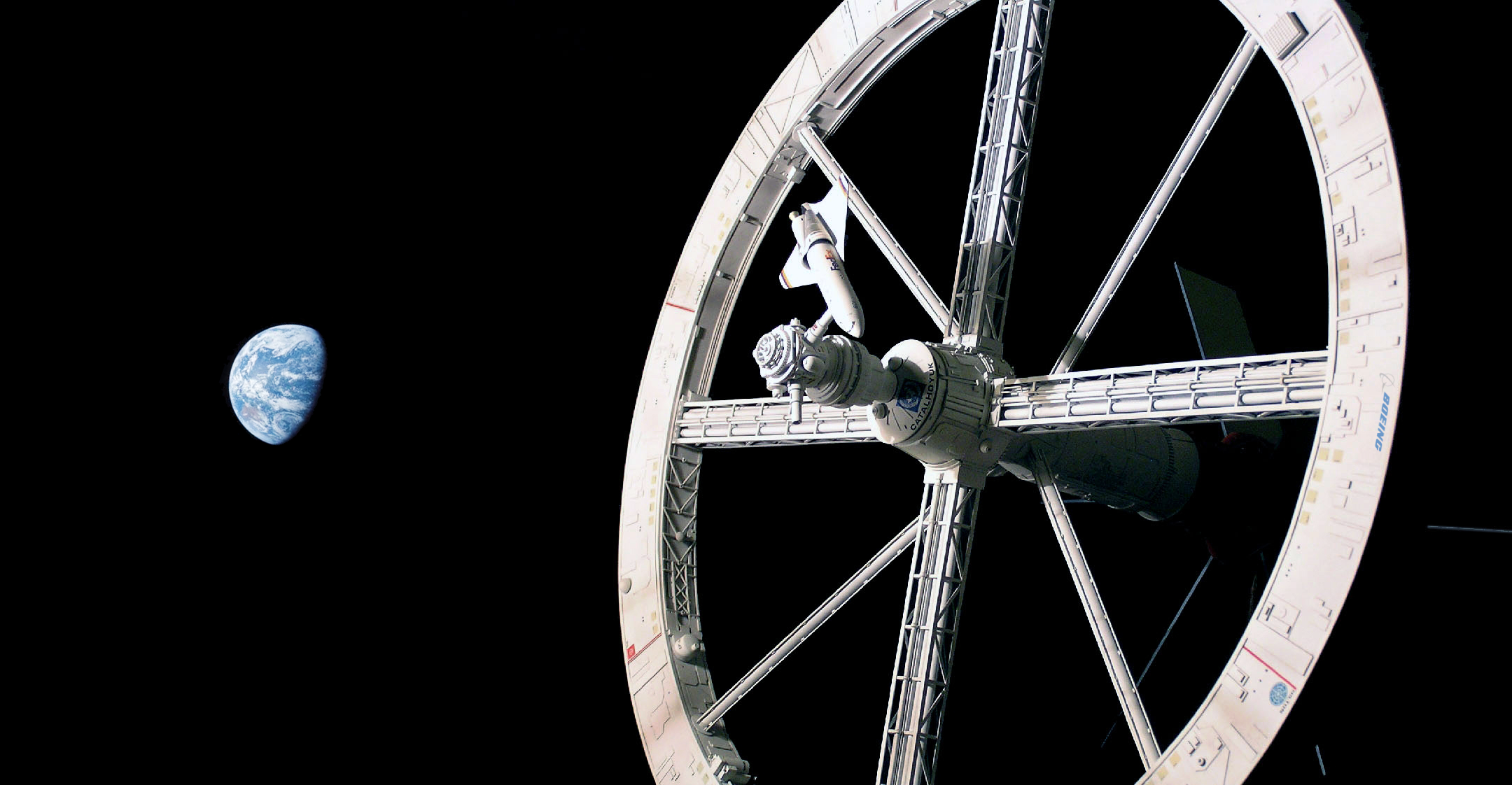
The Unfolding of the Astrazoic Eon
About 25 years ago, I started seriously thinking about space and the human experience. This emerged from a question posed to me: “Why are you so interested in space?” I didn’t have a ready answer, which bothered me because the subject is important to me. I put some ideas in a PowerPoint slide to explore why I feel so deeply about our relationship with space.
I’ve been interested in all things space since I was a little kid. In the 80s, it was the domain of nerds and social misfits, and didn’t translate well in the high school social scene. In time, I found a job as a space industry analyst, which is what I’ve been doing for a long time. This, combined with being a docent at the Smithsonian’s NASM, gave me the tools to evenutally put together an answer to “Why are you so interested in space?” If I were to sum it up, I suppose it’s because I believe our greatest days lie ahead, not behind. And given our collective history, that’s saying something.
The PowerPoint, entitled “Oldouvai to Andromeda,” was presented in 2003 to an audience at Johns Hopkins. Needless to say, once I was finished there were blank stares. No one appeared impressed by what I presented. From then on, thinking about the Astrazoic has been limited to my own amusement, as it seemed clear most people have no patience with what one might call the “philosophy of spaceflight” or something similar. I find this thinking important because it serves as inspiration that contextualizes the present and informs strategic thinking.
I started writing down my ideas in 2020, tweaking and so forth along the way. The result was voluminous and disorganized, so in 2025 I started to consolidate, trim, and streamline the prose until a relatively short but satisfactory paper emerged, posted above.
